Skip to content

Chuuk Lagoon · 7°25′N 151°47′E

Guardians of theSilent Fleet.

Report oil, damage and sightings from the WWII wrecks of the Federated States of Micronesia. Every observation helps.

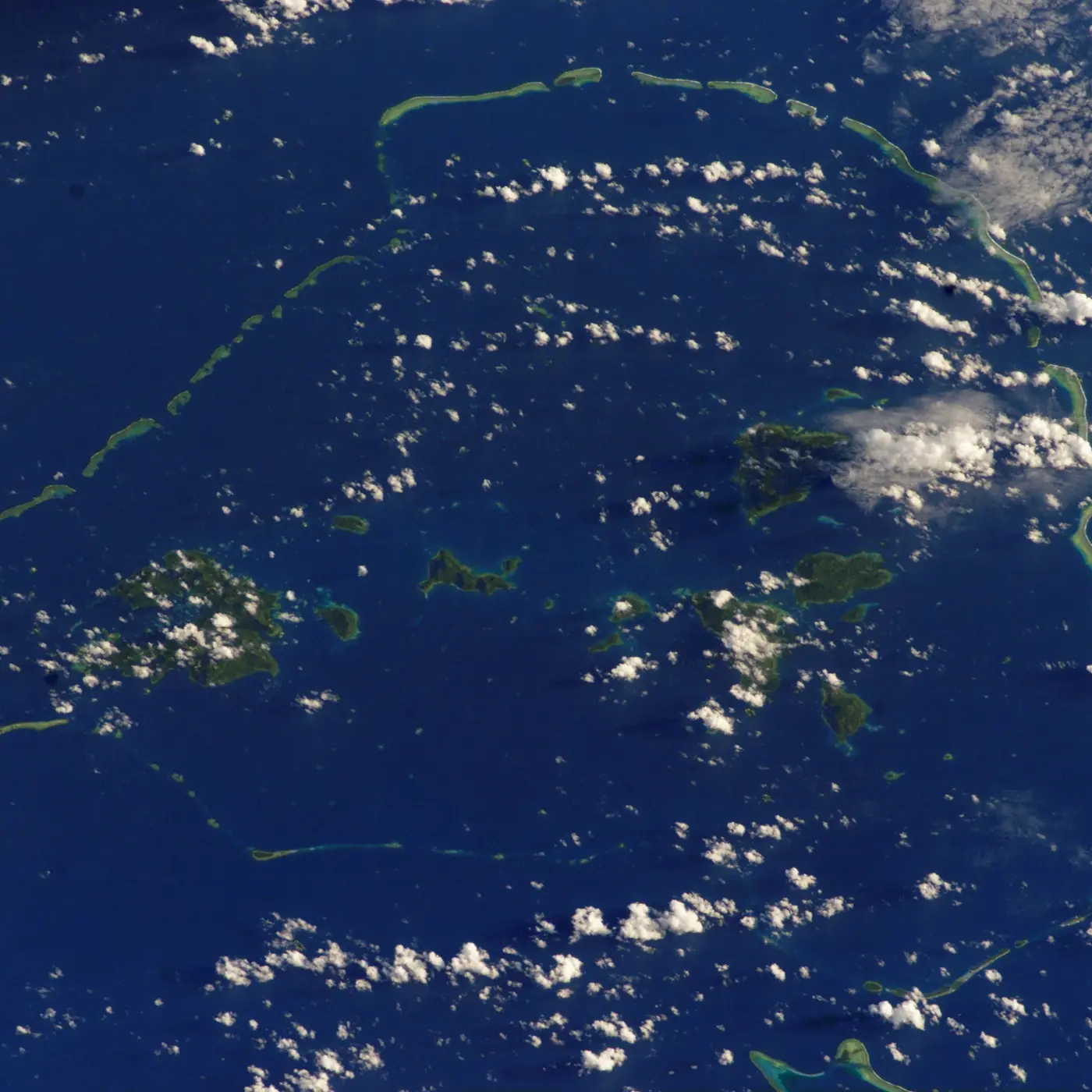
Chuuk Lagoon photographed from the International Space Station, showing the barrier reef ring and islands
Chuuk Lagoon from the International Space Station. NASA, public domain.

Current risks and spills

Known leaks and wrecks under watch across FSM waters. Seen something that isn't listed? Report it.

Up to date

  1. Monitoring
    Reported
    11 Sep 2025
    Updated
    22 Dec 2025

    Rio de Janeiro Maru: Oil leak contained, shoreline monitoring continues

    Off Uman, Chuuk Lagoon, Chuuk

    Divers found oil leaking from the wreck on 11 September 2025 and a state of emergency followed. A collection tank was later placed over the leak point. Oil residue was still being observed on some shorelines in late December 2025. Report any new sheen or fuel smell immediately.

  2. Priority watch
    Updated
    12 Oct 2026

    Kiyosumi Maru: Priority watch: fuel believed to remain aboard

    Chuuk Lagoon, Chuuk

    One of three wrecks currently treated as most at risk of leaking. No active leak is listed. Divers and boat crews are asked to report any sheen, bubbling or fuel odour near the site.

  3. Priority watch
    Updated
    12 Oct 2026

    Shinkoku Maru: Priority watch: large fuel load believed to remain

    Chuuk Lagoon, Chuuk

    A former fleet oiler with significant fuel oil believed to remain in her tanks. No active leak is listed. Please report any sheen, bubbling or fuel odour near the site.

Eighty years beneath the lagoon.
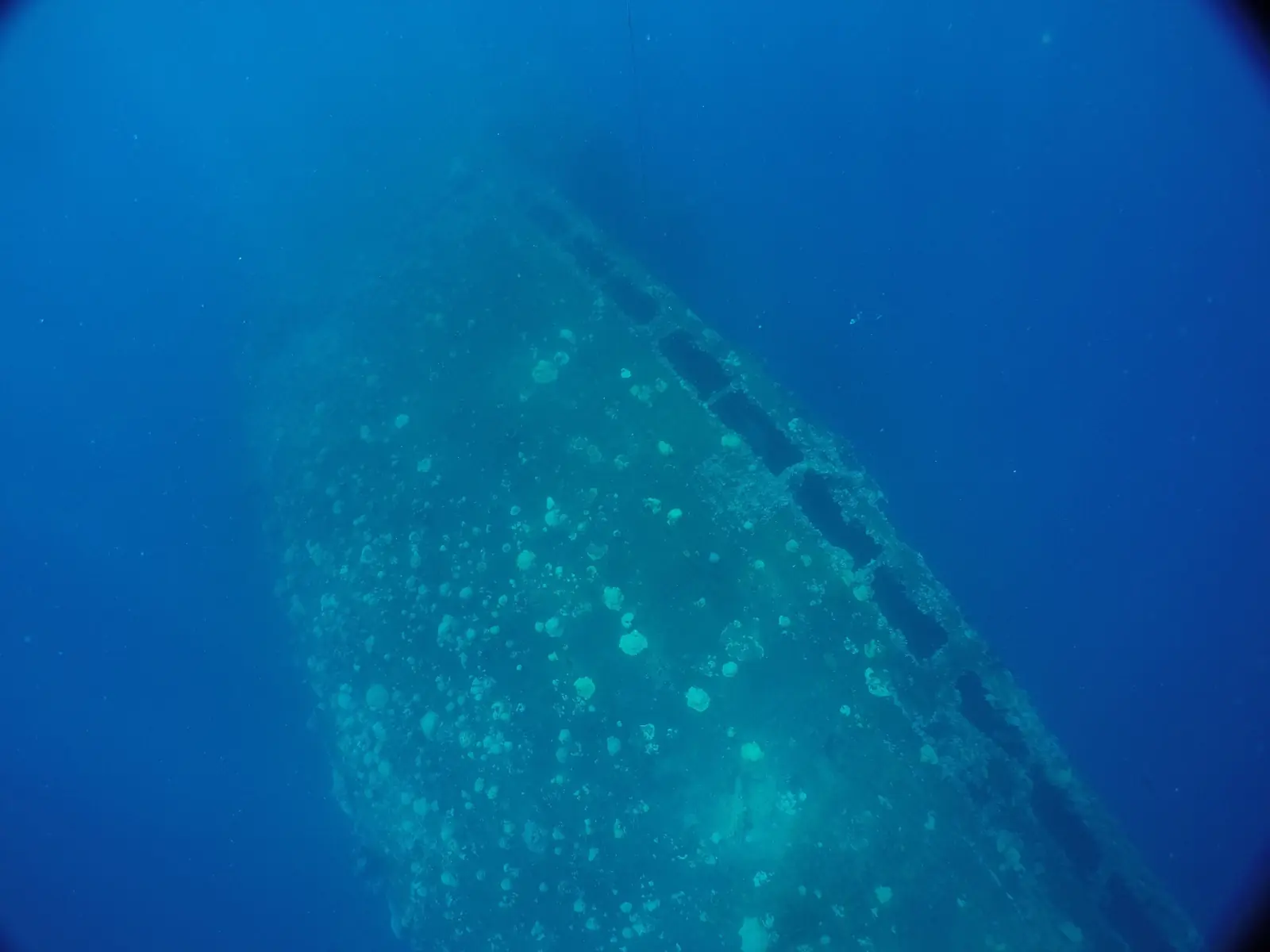
Millions of litres of oil may still be aboard.
Every observation counts.

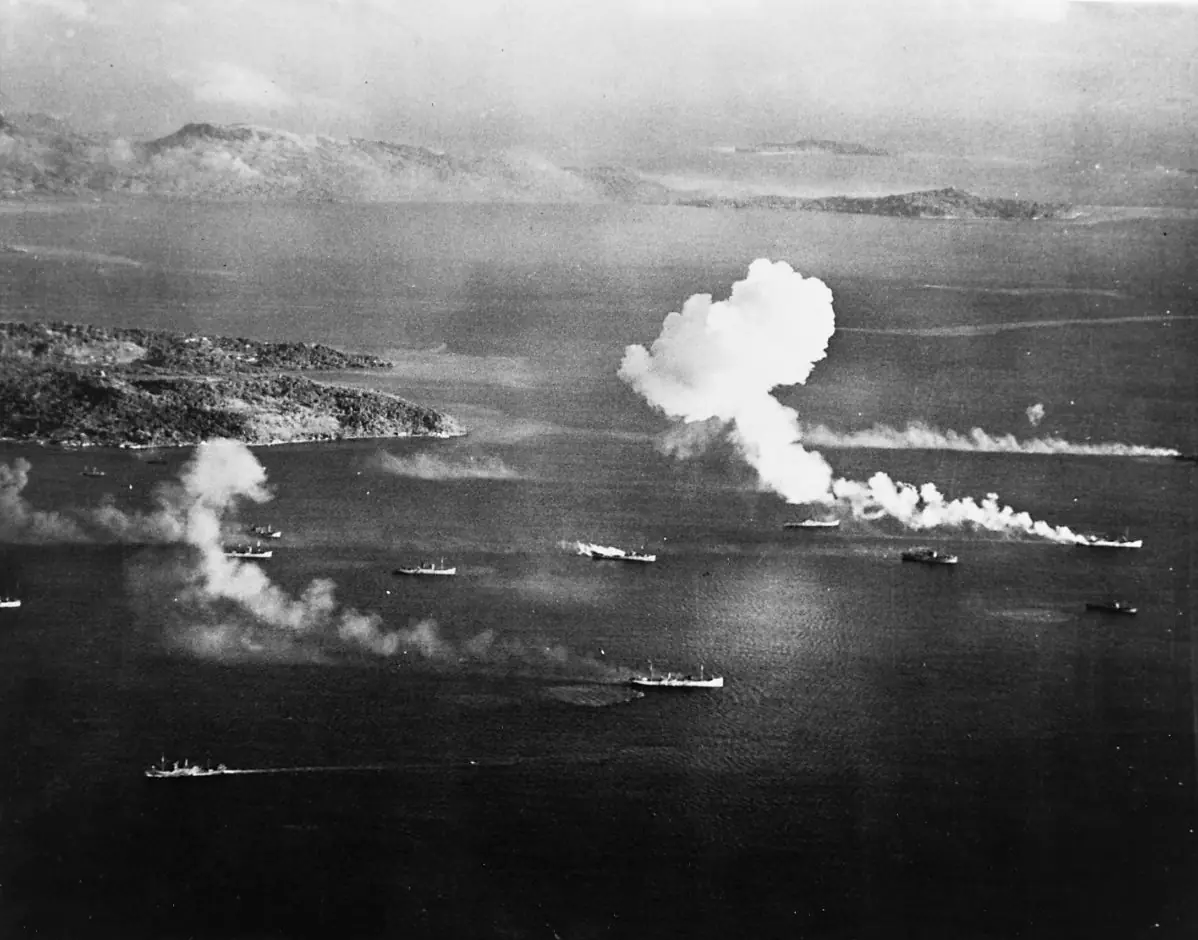
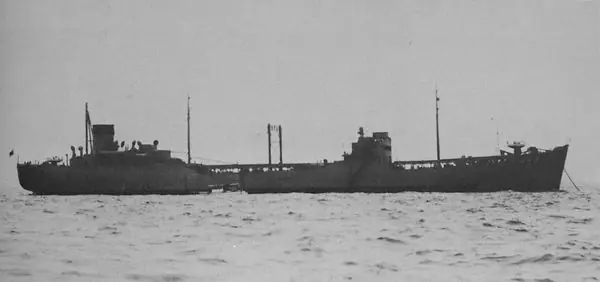
Experts cited by ABC News (October 2025) estimate up to 22 million litres of oil remain inside the wrecks. Background: Japanese shipping under attack in Truk Lagoon, 17 February 1944. US Navy photograph, public domain.

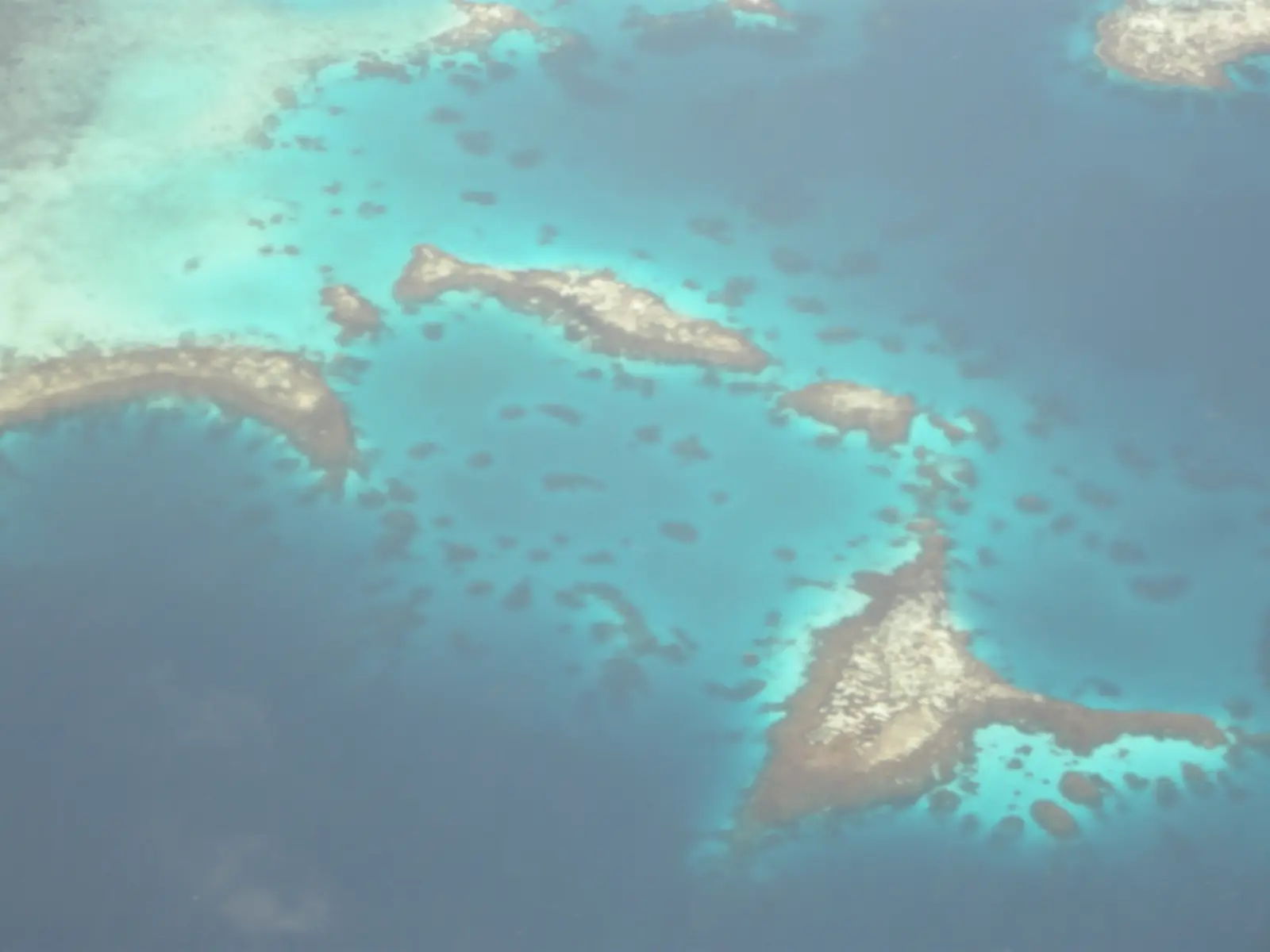
Aerial view of reefs and islets inside Chuuk Lagoon
Photo: Matt Kieffer, CC BY-SA 2.0, via Wikimedia Commons

Protecting living history beneath the Pacific

Eye on FSM gives divers, boat crews, tour operators and local communities a simple way to report what they see. Over eighty years these wrecks have become reefs, war graves and fishing grounds. Your reports help keep them that way.

  • ChuukChuuk Lagoon, the world's largest concentration of WWII wrecks
  • PohnpeiAircraft wrecks in sheltered harbour waters
  • YapLesser-known wrecks important to the Yap community
  • KosraeShallow harbour wrecks in Lelu

What happens to your report

  1. ObserveOn the water

    You notice a sheen, a fuel smell, damage or something unusual. Note the time and place, and take photos from a safe distance.

  2. ReportAbout 3 minutes

    Use the form below or email Oil.Spills.Chuuk@gmail.com. You can stay anonymous. In an emergency, call first.

  3. ReviewUsually 24 to 48 hours

    Every report is read and checked. Anything urgent, such as fresh oil, a grounding or a collapse, is escalated straight away.

  4. RespondAs needed

    Where action is needed, reports go to the relevant environmental agencies and response teams with your photos and location.

  5. UpdateOngoing

    Confirmed risks appear on the Current risks board above. If you left contact details, we'll let you know what happened.

Two ways to help

Both go to the same team. Choose whichever fits what you saw. Anonymous reports are welcome.

What happened

Size of any sheen, extent of damage, vessel behaviour, smells, visibility. Anything you noticed.

Where

Landmark, bearing or distance from shore, if the wreck isn't listed.

About you as a witness
I saw this as a

Divers only, e.g. 18 m

Photos or video (optional)

or drag them here

Images or video, up to 10 MB in total

Your details

Handled in confidence. See our privacy policy.

Key updates and news

2026

A plan to remove the oil before it escapes

Project Tangaroa is supporting a demonstrator at the Rio de Janeiro Maru. An alliance of Waves Group, Recoverit International and United Salvage aims to show that oil can be removed from a deteriorating wreck safely and transparently, then processed for reuse by local communities. The approach is designed to be repeated at other high-risk wrecks.


Read more at Project Tangaroa(opens in a new tab)

  1. 3 Feb 2026

    A "ticking time bomb" beneath Chuuk Lagoon

    ABC Radio Australia's Politok asks why the Pacific is still waiting for the world to take responsibility for leaking WWII wrecks. Guests include a Chuuk Lagoon marine ranger, a marine archaeologist and a pollution adviser from SPREP. Rebroadcast on 23 June 2026.

    Read more at ABC Pacific(opens in a new tab)

  2. Dec 2025

    Containment placed over the Rio de Janeiro Maru leak

    With help from donor partners, a collection tank was placed over the leak point and the Governor's office reported the leak had stopped. Situation reports in December 2025 still noted oil residue along docks, seawalls and mangroves.

    Read more at Chikin Meļeļe(opens in a new tab)

  3. 17 Oct 2025

    Why the Silent Fleet is a long-term challenge

    Chuuk Lagoon holds more than 60 WWII ships and aircraft. Corrosion, storms and a warming ocean are weakening their hulls, and experts estimate up to 22 million litres of oil may remain sealed inside. Removing it is a major logistical and financial task.

    Read more at ABC News(opens in a new tab)

  4. 15 Sep 2025

    State of emergency declared over oil from the Rio de Janeiro Maru

    Divers spotted oil leaking from the wreck on 11 September 2025, and a state of emergency was declared four days later. Oil was later reported along shorelines and in mangroves close to communities that rely on the lagoon for food.

    Read more at Pacific Island Times(opens in a new tab)

Questions, answered

Can't find what you need? Email Oil.Spills.Chuuk@gmail.com.

What should I do if I see an active oil spill?
Stay out of the water near the spill and keep a safe distance. For an emergency, call Chuuk Police Emergency 911 (24/7) or Chuuk State EPA +691 330 4158 (Mon to Fri, 9am to 5pm (ChST)). Then, from a safe place, photograph or film the extent of the sheen and note the time, location, wind direction and approximate size. Send it through the report form or to Oil.Spills.Chuuk@gmail.com.
What's the difference between reporting an incident and offering an observation?
Report an incident when something is wrong: oil, damage, a grounding, illegal activity or an injured animal. Offer an observation for everything else you notice, such as marine life, reef condition, water clarity or changes to a wreck. Both reach the same team. Observations help us build a picture of the lagoon over time.
What types of incidents should I report?
Oil sheens or fuel leaks, coral or reef damage, vessel groundings, ghost nets, injured marine animals, unusual water colour, structural changes to wrecks, illegal fishing, and the removal of artefacts. If in doubt, report it. No observation is too small.
Can I report anonymously?
Yes. Turn on "Stay anonymous" in the form and no contact details are sent. Anonymous reports are reviewed in exactly the same way as named reports.
What happens after I submit a report?
Reports are usually reviewed within 24 to 48 hours. Urgent reports, such as fresh oil, groundings or collapses, are escalated straight away. Reports may be shared with the relevant environmental agencies and response partners where action is needed.
Which wrecks are the highest oil risk right now?
The three wrecks currently treated as most at risk of leaking are the Rio de Janeiro Maru, the Kiyosumi Maru and the Shinkoku Maru. Please report any sheen, bubbling, discolouration or fuel smell near them straight away.
Are the WWII wrecks legally protected?
Yes. The wrecks are protected under FSM national and state law, and many are war graves. It is illegal to remove, disturb or damage any artefact, part of a wreck or human remains. Violations can lead to significant fines and prosecution.
Can visiting divers and tourists take part?
Absolutely. Eye on FSM is for anyone who visits or works in FSM waters, from first-time visitors to marine biologists and boat operators. No training or certification is needed.

Seen something on the water?Tell us.